How to grow a cmo

In partnership with Bloomberg Media

Stories from the front line of cybersecurity marketing

You could make a strong case that Cybersecurity is the toughest, craziest market to be in right now. So these six CMOs bring stories that any marketing leader can learn from.

Bloomberg's global technology editor sets the scene, then six CMOs from CrowdStrike, Datadog, Okta, Check Point, Zscaler, and JFrog get into the craft, the pressure, and the personal journey behind one of the most complex marketing roles in the world.

Recorded live at RSAC, the gathering of 40,000+ cybersecurity professionals.

The biggest brands in cybersecurity

Ali-Hussain-TMP-teal

How to Grow a CMO has a very simple purpose as a podcast: to make every listener a better marketing leader.
 
Anyone who's interested in B2B marketing can learn something from what's happening in cybersecurity right now. There are fascinating dynamics playing out across market orientation, segmentation and targeting, positioning, as well as pricing, product, place and promotion. Geo-political volatility, an AI arms-race, proving the case for marketing investment. These are big problems, and the people in these conversations are big thinkers.
 
The stories, lessons and ideas that the CMOs and Tom shared with us at RSAC are a great place to learn about how leaders are navigating one of the toughest and most exciting competitive environments in the world."

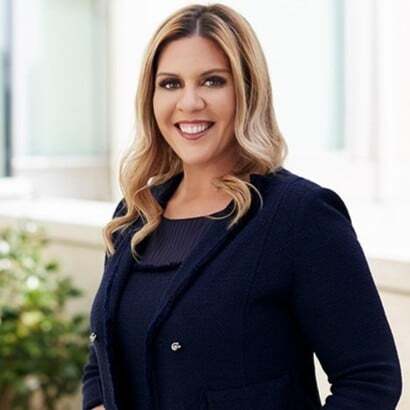
Ali Hussain
How to Grow a CMO Podcast Host

Introduction: State of the Cybersecurity Market

Opportunity in uncertainty

Recorded live at RSAC, this opening conversation sets the tone for everything that follows.

The headline? Cybersecurity is growing but not without friction. As Bloomberg’s Tom Giles points out, the market is sending mixed signals. Stocks have taken a hit, sentiment has wobbled, and there’s a lingering question over how AI will reshape the category, whether by disrupting it or simply diverting budget elsewhere.

But scratch beneath that and a different picture emerges. Demand isn’t going anywhere. If anything, it’s accelerating.

AI is expanding the attack surface, raising the baseline for threat actors, and forcing every organisation to rethink how it protects itself. Despite the noise, the fundamentals aren’t weakening. If anything, demand is holding firm.

AI in cybersecurity is expected to grow to a $338 billion market. by 2033. That's a big number. That's a lot of spending.

Tom Giles,
Senior Executive Editor, Global Technology, Bloomberg News

That urgency is already playing out. Big acquisitions, consolidation, hyperscalers moving in – all signs of a category being reshaped in real time. At the same time, smaller players are finding new leverage through AI, making it easier to build, scale, and compete.

There’s a quieter point in here too, especially for marketers. As products become more complex, the way they’re explained hasn’t always kept up. Too often, the story stays stuck in technical detail: clear to engineers, less so to everyone else.

That gap matters.

This conversation doesn’t try to resolve the tension. It just makes it clear: cybersecurity isn’t slowing down, but the rules are shifting quickly.

Listen to the introduction for a clear-eyed view of where the market stands and where it’s heading next.

🎧Listen on Apple Podcast | Spotify 

tom giles headshot

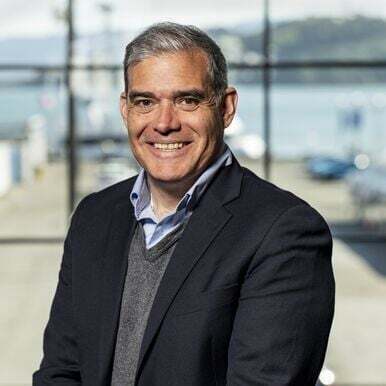
Tom Giles

Senior Executive Editor, Global Technology, Bloomberg News

Part 1: Live Panel: Okta, Check Point, CrowdStrike, Datadog

The making of a modern CMO

There’s something different about hearing four CMOs in one room, live, talking less about marketing and more about how they got there.

This first session from RSAC leans into the human side of leadership. Before the frameworks and strategy, it’s about what shapes how people lead when the stakes are high and the pace doesn’t let up.

For Jennifer Johnson (CrowdStrike), that starts with a work ethic forged early: “the only way through is through and hard work is how you get there.” It’s a mindset that shows up in how she approaches teams and pressure today: steady, committed, no shortcuts.

Others come at it from different angles. Shannon Duffy (Okta) traces her leadership style back to a moment of exclusion as a child, something she still carries with her. “I have zero tolerance for [exclusion] […] I never want anyone to feel left out.” In an environment where alignment matters, that instinct to include isn’t soft but practical.

“You’re an introvert by nature, but an extrovert by choice.”

Brett Theiss,
CMO, Check Point

That idea comes up more than once. The role demands it — stepping into the room, representing the business, getting your point across — even if it doesn’t come naturally. It’s not about personality type so much as learned behaviour.

There’s also a sense that perspective takes time. Sara Varni (Datadog) talks about stepping away from the constant pace of work: “don’t wait until you’re done working to enjoy life […] [it makes you] a better marketer.” Not a throwaway comment, more a recognition that clarity doesn’t come from staying switched on all the time.

Taken together, it’s a reminder that the role isn’t just built on capability. It’s built on how you think, how you respond, and how you carry those experiences into the work.

Listen to Part 1 for a more personal look at what shapes today’s CMO and how that shows up in the job.

🎧Listen on Apple Podcast | Spotify  

Part 2: Live Panel: Okta, Check Point, Crowdstrike, Datadog

How cybersecurity CMOs cut through the noise

The second half of the panel shifts gears. Less about background, more about the reality of the job right now. And it’s not straightforward.

Marketing in cybersecurity is under pressure from all sides. Expectations are high, scrutiny is constant, and differentiation is getting harder to hold onto. As Jennifer Johnson plainly puts it, “at the end of the day, your job is revenue.” That’s the baseline. But it’s rarely that simple in practice.

Because in a crowded market, saying you’re better doesn’t get you very far. Brett Theiss makes the distinction clear: "Understand the problem you are solving, and then go to how you are different, not how you are better.” It sounds obvious, but it’s where a lot of brands fall short.

“We are the storytellers of who the company is today and who the company wants to be.”

Shannon Duffy,
CMO, Okta

That idea – shaping the narrative, not just supporting it – runs through the conversation. Marketing isn’t just feeding the pipeline; it’s defining direction, internally and externally.

And then there’s the added complexity of the audience. Sara Varni describes the challenge as “flying at the right altitude” – staying close enough to real business problems without getting lost in either abstraction or technical detail. Not easy when you’re dealing with multiple stakeholders, each with their own priorities.

AI sits in the background of all of this. Not as a distant trend, but something already reshaping how teams work, how products are built, and how buyers behave. There’s no settled playbook yet, just a sense that things are moving quickly, and standing still isn’t really an option.

What comes through, especially in a live setting like this, is how unresolved a lot of this still is. The fundamentals matter, but the context is shifting.

Listen to Part 2 for a candid take on how CMOs are navigating that tension and what it takes to stand out right now.

🎧Listen on Apple Podcast | Spotify   

Part 1: Zscaler & JFrog

Curiosity, grit, and the mindset to build

Recorded live at RSAC, this conversation starts in a familiar place for the podcast, not with strategy, but with the instincts that shape how people lead.

For Genefa Murphy (JFrog), it comes back to one word: curiosity. Taking things apart, figuring out how they work, asking questions just for the sake of it. That same instinct shows up in her approach to marketing today: staying open, experimenting, not assuming you’ve got it figured out.

Sunil Frida (Zscaler) traces a similar thread but adds something else alongside it: accountability. A strong “say-do” mindset, where what you commit to actually matters. That, combined with a natural competitiveness and a refusal to give up, becomes a foundation you carry into leadership.

“Never give up […] keep pushing harder than everyone else, you’ll be the last person standing.”

Sunil Frida
CMO, Zscaler

There’s a shared sense here that a lot of what matters isn’t formally taught. Curiosity, trust, resilience – these are things you pick up through experience, not curriculum. And they tend to show up later, under pressure.

The conversation drifts into what keeps that mindset alive. For Sunil, it’s building – whether that’s puppet stages as a kid or taking things apart and putting them back together now. For Genefa, it’s creativity in a different form, bringing together family recipes into something lasting and shared. Different expressions, same underlying idea: making something tangible and staying close to the process.

Advice to their younger selves lands in a similar place. Be braver, don’t wait for permission, keep building, stay curious. The kind of things that sound simple but tend to get lost as careers progress.

Genefa puts it plainly: “don’t ask for permission […] go out there [and] try something”. And that willingness to step into discomfort comes up again later as a guiding principle. If it feels too easy, it’s probably not pushing far enough.

This is less about marketing, more about the mindset behind it. The habits that sit underneath the role, long before the frameworks and playbooks.

Listen to Part 1 for a grounded look at the traits that shape modern marketing leaders and why they still matter in a changing industry.

🎧Listen on Apple Podcast | Spotify   

Part 2: Zscaler & JFrog

Standing out in a market that won’t sit still

Part 2 picks up the pace. Recorded live at RSAC, this half of the conversation gets into the work itself. Topics range from what makes cybersecurity marketing hard, what makes it exciting, and why so much of the job now sits in the tension between clarity and change.

Genefa Murphy comes at marketing from an unusual angle: she moved into it because she was frustrated by it. Coming from product, she wanted to understand the gap between activity and outcomes — and found herself drawn to the mix of disciplines the role demands. As she puts it, marketing is one of the few places where you get to build, analyse, create, and connect the dots across the business.

That theme runs through the episode. Marketing here isn’t just promotion. It’s market understanding, positioning, pricing, product partnership, sales alignment — all of it. Or as Sunil Frida puts it, there’s both "the market and the marketing".

Sometimes I feel like cybersecurity marketing is a bit contradictory. We talk a lot about trust — but then a lot of marketing is still fear-based."

Genefa Murphy,
CMO, Zscaler

That sounds simple enough. In cybersecurity, it isn’t. Both Sunil and Genefa talk about the same problem in different ways: a crowded market, a lot of familiar language, and real pressure to sound like everyone else just to prove you belong. RSAC, Sunil says, can feel like a sea of sameness.

There’s more to it than messaging, though. Cybersecurity is changing shape. Data, platforms, AI, governance, agents — the category is expanding in every direction at once. Genefa makes the point that security teams are no longer just dealing with technical builders. Now everyone is building: marketing teams, sales teams, non-technical users experimenting with tools and introducing risk as they go. The perimeter keeps moving.

That has knock-on effects everywhere, including pricing. One of the more interesting turns in the conversation is around GenAI and agent pricing — not just what these systems cost to run, but how companies should even think about valuing them when the rules are still forming.

What comes through most clearly is that this is not a market for default thinking. You have to know where you fit, be honest about where you don’t, and resist the temptation to hide in category clichés.

Listen to Part 2 for a smart, candid conversation about what cybersecurity marketers are really up against — and how to find your edge when the market keeps shifting.

🎧Listen on Apple Podcast | Spotify  

More tools and resources

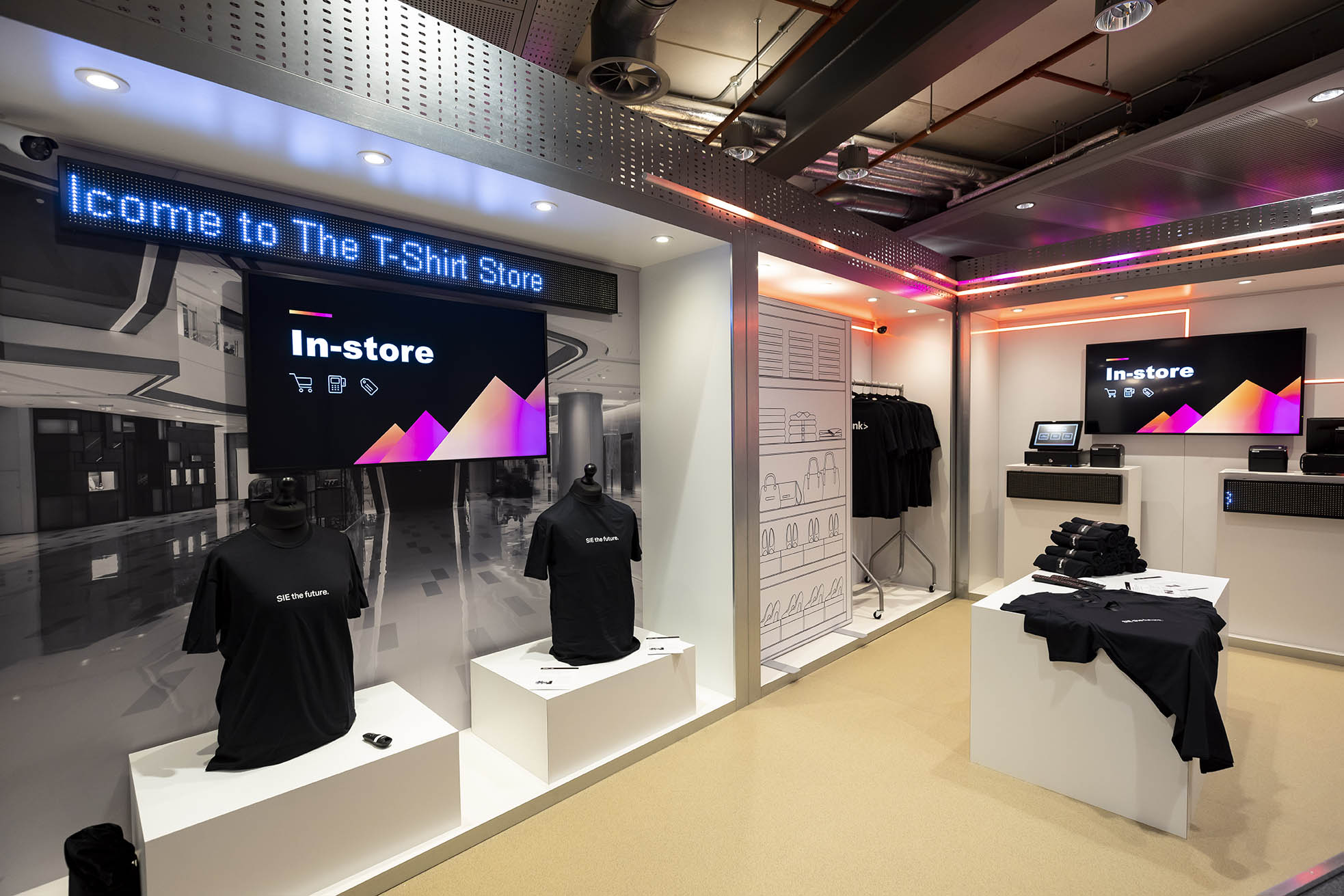
OUT THINK, NOT OUT SPEND: HOW TO MAKE A SPLASH AT RSAC

RSAC is loud, but the booths brands remember there aren't always the biggest. They're ethe ones that create an experience worth stopping for. 

Download "7 Ways to Win at RSAC" - our quick guide to building booth experiences that attract the right people and leave the right impressions. 

Download the PDF


Complexity is inevitable. Chaos is optional.

In our latest research, surveying 1,000 B2B marketers and buyers alongside 50+ CMOs, the results paint a picture of a fractured, misaligned and pressure filled marketing environment.

But this isn’t just about diagnosing the problem. The research also points to a path forward — one built on coherence across data, strategy, creative, media and sales. When teams align around shared insight and execution, they can deliver greater marketing, improved trust, and better decision making. And B2B buyers notice the difference.  

Read the research

Book an innovation session

tmp is running a series of small-group innovation sessions built around the ‘chaos to coherence’ journey of B2B marketing right now.

Sign me up!

  • How leading teams are connecting brand to demand, aligning marketing and sales, and building business cases that prove ROI.